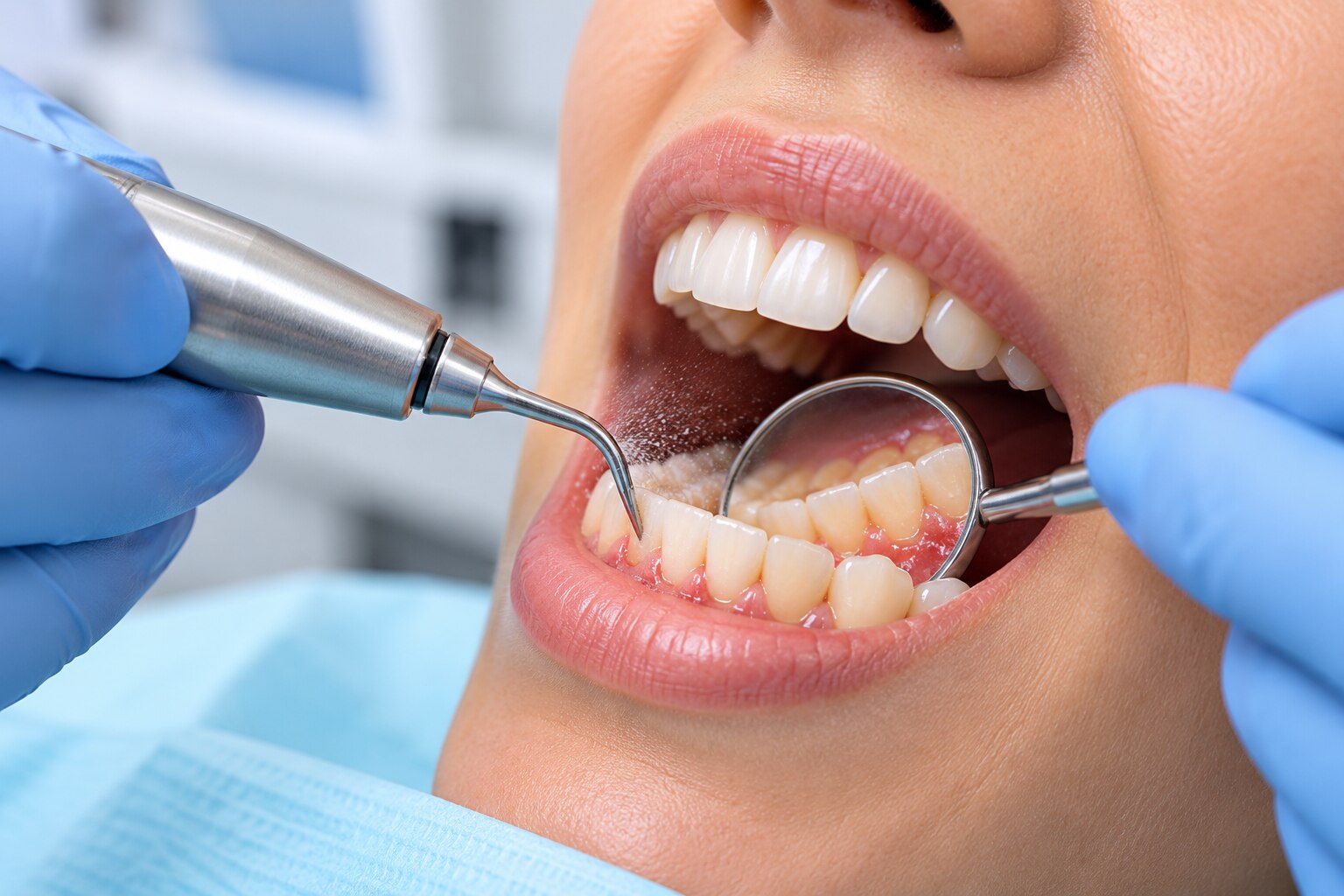
Bleeding or tender gums do not tell you whether you need a routine cleaning or deep periodontal treatment. By the end, you will know how gum disease cleaning is assessed, what scaling and root planing involves, how many appointments you might need, and which findings require treatment beyond cleaning.
Key takeaways
- Routine cleaning removes plaque and calculus above the gumline.
- Scaling and root planing cleans infected pockets below the gumline.
- Pocket measurements guide treatment and show whether gums are healing.
- Persistent deep pockets need review by a periodontitis dentist.
What type of teeth cleaning do you need?
Routine prophylaxis is enough for many people with plaque and calculus above the gumline. “Teeth cleaning in Pune” can describe this service, while teeth cleaning for gum disease in Pune may require scaling and root planing (SRP).
| Service | What it removes | When it applies |
|---|---|---|
| Routine prophylaxis | Plaque and calculus above the gumline, followed by polishing | Preventive care without evidence of periodontal destruction |
| Scaling | Hardened calculus above, and sometimes just below, the gumline | Localised deposits or early gum inflammation |
| Deep cleaning or SRP | Deposits inside periodontal pockets and contaminated root surfaces | Periodontitis with deeper pockets, bleeding, or bone loss |
Polishing smooths exposed tooth surfaces; it cannot remove calculus attached below the gumline because the deposit lies inside a pocket that the polishing cup cannot reach. SRP uses instruments beneath the gumline and smooths rough roots so plaque is less likely to remain.
Before choosing treatment, the dentist should complete these steps:
- Review your medical and dental history, including bleeding, sensitivity, diabetes, smoking, medicines, and previous gum disease.
- Measure gum pockets and record bleeding on probing, recession, tooth mobility, and furcation involvement, where disease affects the roots of a multi-rooted tooth.
- Take dental X-rays when bone loss or another concern is suspected.
One bleeding site or visible tartar alone does not establish periodontitis. Gingivitis can improve when plaque is controlled; periodontitis involves loss of supporting tissue and bone.
How are periodontal pockets measured and treatment planned?
A periodontal chart records six sites around each tooth with a slim, graduated periodontal probe. The dentist notes pocket depth in millimetres, bleeding on probing, gum recession, clinical attachment loss, tooth mobility, pus, and furcation involvement, where infection reaches between the roots of a molar.
| Finding | What it suggests | Usual planning response |
|---|---|---|
| Shallow pockets with little or no bleeding | Plaque-related inflammation with limited support loss | Routine cleaning, improved home care, and review |
| Deeper or bleeding pockets | Active inflammation and deposits below the gumline | Subgingival instrumentation and closer review |
| Bone loss on X-rays, pus, mobility, or furcation involvement | More advanced periodontal damage | Comprehensive gum disease treatment in Pune, with reassessment and possible specialist care |
A single bleeding site or visible tartar does not prove periodontitis. The dentist compares pocket measurements with recession, attachment loss, X-rays, plaque control, and changes over time.
A periodontitis dentist in Pune also asks about diabetes, smoking or tobacco use, medicines, pregnancy, immune conditions, and previous gum disease because these factors alter healing and treatment response.
Cleaning can finish in one visit when deposits are light, pockets are shallow, and sensitivity is manageable. The mouth is divided into quadrants or smaller sections when pockets are deep, inflammation is widespread, calculus is heavy, or treatment would be uncomfortable in one appointment.
Reassessment after healing determines whether routine maintenance is enough or further subgingival treatment is needed.
What happens during scaling and root planing?
Scaling and root planing removes plaque and calculus from above and below the gumline, then smooths rough or contaminated root surfaces inside periodontal pockets. That is why teeth cleaning for gum disease in Pune is different from routine teeth cleaning in Pune, which mainly addresses deposits above the gums.
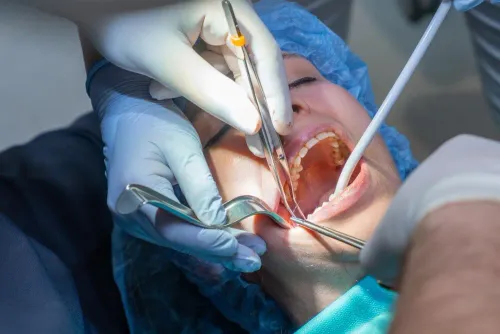
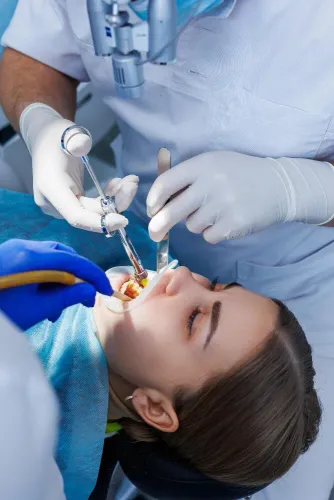
Before starting, the dental professional reviews your medical history, medicines, allergies, bleeding, and sensitivity, then identifies the areas to treat. Hand instruments remove firmly attached calculus, while an ultrasonic scaler uses vibration and water to disrupt deposits. Root planing follows where exposed root surfaces remain uneven or contaminated.
Local anaesthetic numbs the area when deposits extend deep below the gumline or the tissues are sensitive. Irrigation or a prescribed antimicrobial product can help reduce microbes in selected sites, but neither replaces mechanical removal of plaque and calculus.
An appointment commonly lasts 45 to 90 minutes for one section of the mouth. SRP is divided across two or more visits when pockets are deep, calculus is heavy, several areas need anaesthesia, or treating the entire mouth at once would be uncomfortable.
After treatment, expect some temporary bleeding, gum tenderness, or cold sensitivity. As swollen gums heal, they can shrink slightly, making teeth look longer.
- Brush gently twice daily with a soft toothbrush and fluoride toothpaste, even if the gums bleed.
- Clean between teeth with floss or correctly sized interdental brushes.
- Avoid smoking and all tobacco during healing.
- Use prescribed rinses or medicines exactly as directed; do not extend chlorhexidine use without advice.
Contact the clinic if bleeding will not stop, swelling worsens, or pain becomes severe.
When is cleaning enough, and when is further gum treatment needed?
Do not judge the result immediately after scaling and root planing. Swelling and bleeding need time to settle, so gum disease treatment in Pune should be reassessed several weeks after instrumentation.
The review should compare your charted findings before and after treatment:
- Residual pocket depths
- Bleeding on probing
- Plaque control at home
- Gum recession and clinical attachment loss
- Tooth mobility
- Pus, furcation involvement, and other local findings
Cleaning removes bacterial deposits and controls inflammation; it cannot regrow bone already lost through periodontitis. A periodontitis dentist in Pune may discuss periodontal surgery or specialist care when deep pockets remain, furcation involvement prevents effective cleaning, pus persists, or attachment loss continues.
Extraction becomes an option when a tooth cannot be maintained or restored to useful function.
Antibiotics are not a routine substitute for scaling and root planing or daily plaque control. A clinician prescribes them for defined indications, such as spreading infection or systemic involvement, after considering severity, allergies, and medical history.
Once active treatment is complete, periodontal maintenance is scheduled according to disease severity, residual pockets, smoking, diabetes, and home-care performance. Visits commonly range from every three to twelve months; a yearly cleaning is not automatically adequate.
Contact the clinic promptly for fever, persistent swelling, severe pain, or bleeding that will not stop with firm gauze pressure.
How should you compare gum-cleaning appointments in Pune?
Compare the named procedure, examination findings, and review plan—not the lowest advertised fee for teeth cleaning in Pune. Ask whether you are being offered prophylaxis, scaling and root planing (SRP), periodontal surgery, or maintenance.
| Procedure | What it means | Ask when it applies |
|---|---|---|
| Prophylaxis | Above-gumline cleaning and polishing | No established pocketing or bone loss |
| SRP | Subgingival calculus removal and root-surface instrumentation | Deep or bleeding periodontal pockets |
| Periodontal surgery | Access for persistent disease after non-surgical care | Residual deep pockets, furcation involvement, or bone defects |
| Maintenance | Scheduled monitoring and professional cleaning | After active gum treatment |
Before booking teeth cleaning for gum disease in Pune, ask:
- Will you record pocket depths in millimetres, bleeding on probing, recession, mobility, pus, and furcation involvement?
- Are dental X-rays indicated to check bone loss, root shape, or another concern? X-rays should support the clinical findings, not replace probing.
- How many sections or appointments will you need, and what local anaesthesia, prescriptions, rinses, and aftercare are included?
- When will reassessment occur after healing? The review should check residual pockets, bleeding, plaque control, and mobility.
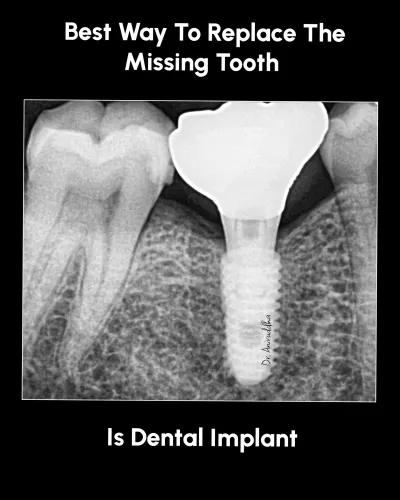
Tell the clinic about smoking or tobacco use, diabetes, medicines, and allergies. If you are considering implants, ask for periodontal planning first: active periodontitis should be controlled before implant placement where possible, followed by long-term maintenance.
Dr Aniruddha Wankhade is one Pune option for an appointment linking examination, periodontal cleaning, restorative needs, and follow-up with a periodontitis dentist in Pune.
Related service
Periodontitis & Gum Disease Treatment Periodontitis & Gum Disease Treatment Advanced gum disease (periodontitis) causes persistent swelling, bleeding, receding gums, bad breath, and tooth loosening due to deep bacterial... View service → |
Frequently asked questions
What type of teeth cleaning do you need for gum disease?
Routine prophylaxis treats plaque and calculus above the gumline. Gum disease can require scaling and root planing, which cleans below the gumline and smooths root surfaces.
How are periodontal pockets measured?
A dentist uses a periodontal probe to measure the depth around each tooth, records bleeding and gum recession, and uses the findings to plan treatment.
What happens during scaling and root planing?
The dentist removes calculus and bacterial deposits from above and below the gumline, then smooths exposed root surfaces. Local anaesthetic can improve comfort during deeper cleaning.
When is teeth cleaning not enough for gum disease?
Further gum treatment is needed when deep pockets, bleeding, bone loss, loose teeth, or persistent infection remain after cleaning and review.
How should you compare gum-cleaning appointments in Pune?
Ask whether the appointment includes pocket measurements, periodontal charting, below-gum cleaning when indicated, pain-control options, and a follow-up review.
Keywords