
A visible gap can result from tooth position, a missing or undersized tooth, gum disease, a frenum attachment, or a bite problem, so closing it safely starts with finding the cause. You will learn how dentists assess suitability, what aligner treatment involves, how it compares with braces and bonding, and which questions to ask before choosing a Pune clinic.
Key takeaways
- Aligners suit mild-to-moderate gaps caused by tooth position.
- Large gaps, missing teeth, and gum disease need assessment first.
- A consultation checks your bite, roots, gums, and treatment goals.
- Wear retainers as directed to stop the gap reopening.
Which types of teeth gaps can clear aligners close?
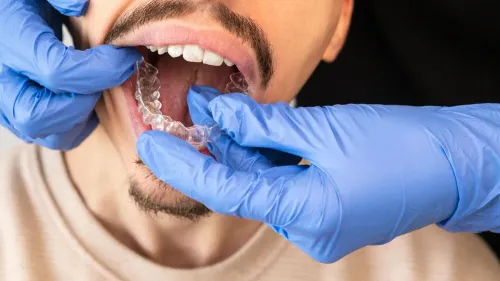
Clear aligners suit mild-to-moderate spaces between front teeth, multiple spaces caused by tooth position or crowding, and selected gaps linked to bite problems. They close spaces with staged, controlled forces on the teeth, not by filling the gap.
| Gap pattern | How aligners may help | What must be checked |
|---|---|---|
| Small front gap | Gradually brings teeth together | Root position, gum support, and bite contacts |
| Several spaces | Coordinates tooth movement across the arch | Crowding, tooth alignment, and available bone |
| Gap with a bite problem | Moves teeth while improving selected bite contacts | Whether the bite needs elastics or fixed braces |
| Adult midline gap | May close after its cause is identified | Missing teeth, frenum, gum disease, or small teeth |
Attachments, elastics, interproximal reduction, or refinement trays may be needed. The plan must move tooth roots as well as visible crowns when root position affects stability.
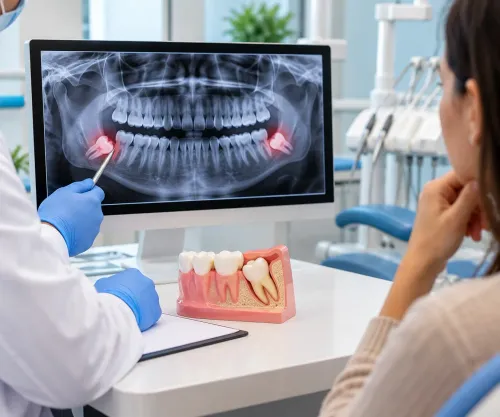
A dentist examines tooth size and shape, missing teeth, frenum position, tongue habits, gum movement, bite contacts, and alignment. Periodontal measurements check inflammation and bone support. Photographs and a digital scan or impressions record the teeth, while selected X-rays investigate roots, bone levels, unerupted or missing teeth, cavities, and other hidden causes.
Some spaces change as permanent canine teeth erupt, but a persistent adult midline gap needs individual assessment. Clear aligners for teeth gap treatment in Pune are appropriate only when the teeth, gums, bone, and bite can support movement. That is the basis of safe teeth gap treatment in Pune.
When are aligners insufficient or the wrong choice for a gap?
Moving adjacent teeth cannot replace a missing tooth. The plan may need a bridge, implant, or another replacement strategy, while a small or unusually shaped tooth may need bonding, a veneer, or restorative reshaping instead of—or alongside—orthodontic movement.
Do not start clear aligners in Pune until these problems are treated or controlled:
- Active gum disease, bone loss, untreated decay, poor plaque control, or inadequate oral hygiene. Aligners do not treat periodontal disease.
- A thick or high labial frenum, tongue habit, or underlying bite problem that keeps reopening the gap.
- Severe rotations, extrusion, complex root movements, or a skeletal jaw discrepancy that fixed braces or combined treatment can control more reliably.
| Option | Strength | Limitation |
|---|---|---|
| Clear aligners | Removable and discreet; suitable for selected tooth movements | Requires consistent wear, attachments or elastics, and monitoring for incomplete tracking |
| Fixed braces | Better control for complex rotations, extrusion, root movement, or major bite correction | More visible and harder to clean |
| Bonding | Can close a small gap quickly by adding tooth-coloured material | Can chip or stain; needs maintenance and does not move roots or correct alignment and bite |
Ask which appliance controls your specific movement, whether attachments or elastics are needed, how much compliance the plan demands, and how monitoring will detect poor tracking. Tooth proportions, enamel, gum health, gap width, and cause determine the right teeth gap treatment in Pune—not a promise of invisible braces for gaps.
What happens during a Pune aligner consultation and treatment?
1. A proper consultation for clear aligners in Pune begins with your medical and dental history, photographs, examination of every tooth, gum measurements, decay checks, and a bite assessment. A scan or photograph alone cannot reveal gum disease, cavities, or unsafe tooth movement.
2. The clinician uses a digital scan or impressions to plan each tray stage. X-rays are selected when the cause, roots, bone levels, missing teeth, cavities, unerupted teeth, or frenum position needs investigation. Ask the plan to show crown and root movement, attachments or elastics, any reshaping, and when refinement trays might be needed.
3. Each tray applies pressure for one planned stage; use the next tray only on the clinician’s schedule. Treatment length depends on the number and width of spaces, rotations, bite correction, root movement, gum health, wear consistency, and refinements.
A small front gap may need fewer stages than several spaces with bite correction, but no fixed duration is credible without an examination.
4. Most systems require about 20 to 22 hours of wear daily. Remove trays for meals, brush and clean between teeth before reinserting them, and clean the trays as directed.
Do not wear them only at night, eat with them, drink hot beverages while wearing them, move ahead early, or continue using cracked or lost trays. These mistakes can delay or compromise clear aligners for teeth gap treatment in Pune.
How do you protect the result after the gap closes?
Removing the last active tray does not complete gap closure. The tissues and bone around your teeth continue to remodel, so spaces can reopen without retention. A clinician will prescribe retainers, such as clear removable retainers or another design, with a schedule that may move to long-term or indefinite night-time wear.
1. Ask when to insert the first retainer, how many hours to wear it, and when the schedule changes. Confirm how often it must be replaced and what to do if it no longer fits.
2. Clean the retainer exactly as instructed, and brush and floss before putting it back. Poor hygiene around trays or retainers can increase plaque, bad breath, staining, tooth decay, and gum inflammation.
3. Report persistent soreness, gum irritation, a tray that will not seat, broken or lost trays, speech changes that do not settle, or signs that your teeth are not tracking the planned movement.
Retainers cannot correct an untreated cause. Gum disease, an unaddressed frenum, a missing-tooth space, poor bite planning, or an unstable tooth position still needs management. Do not assume that nearly invisible braces for gaps work without consistent wear; compliance is part of the treatment itself.
A retention plan explained at the start gives you a realistic view of the effort required for teeth gap treatment in Pune.
What should you ask a Pune clinic before choosing aligners?
Ask who will examine and monitor you throughout treatment. A questionnaire, photograph, or scan cannot replace an in-person assessment; it can miss root position, cavities, gum disease, bite contacts, and the cause of the gap.
Before choosing clear aligners for teeth gap treatment in Pune, ask whether the consultation includes:
- Photographs, gum measurements, decay checks, and a bite evaluation.
- X-rays when the roots, bone levels, missing or unerupted teeth, cavities, or frenum require investigation.
- Predicted movement of the roots as well as the visible crowns.
- Attachments, elastics, interproximal reduction, and possible refinement trays.
- Alternatives such as fixed braces, bonding, gum treatment, or tooth replacement.
Compare the options by the movement they can control, not by appearance alone.
| Option | Best suited to | Limitation |
|---|---|---|
| Clear aligners in Pune | Mild spaces and selected bite corrections | Tracking can fail with complex root movement or rotations |
| Fixed braces | Complex root movement or significant bite problems | More visible and harder to clean |
| Bonding | Small gaps caused by tooth shape | Changes the crown, not the roots; it can chip or stain |
Request the total scope: examination, scans, active trays, monitoring visits, refinement trays, emergency help for lost or cracked trays, and retainers. Ask what happens if a tray does not fit, progress stalls, or you miss wear time.
Dr Aniruddha Wankhade can be considered when you want one Pune consultation connecting aligner planning with gum care, restorative options, and tooth replacement. Choose explanations over promises of a fixed duration or “invisible braces for gaps” as a universal solution.
Related service
Clear Aligners (Invisible Braces) Clear Aligners (Invisible Braces) Clear aligners are a modern, nearly invisible alternative to traditional braces, designed to straighten teeth comfortably and effectively. View service → |
Frequently asked questions
Which types of teeth gaps can clear aligners close?
Clear aligners can close mild-to-moderate spaces between front teeth, multiple spaces from tooth position or crowding, and selected gaps linked to bite problems.
When are aligners insufficient or the wrong choice for a gap?
Aligners may be unsuitable when a gap involves missing teeth, severe tooth movement, significant gum disease, an untreated bite problem, or a need for restorative treatment.
What happens during a Pune aligner consultation and treatment?
The clinic examines your teeth, gums, bite, and roots, then discusses scans or impressions, staged aligners, treatment limits, timelines, and retention.
How do you protect the result after the gap closes?
Wear the prescribed retainers, follow the wearing schedule, attend review appointments, and contact the clinic if the retainer no longer fits.
What should you ask a Pune clinic before choosing aligners?
Ask who plans and reviews treatment, whether your gap has an underlying cause, which records are included, what happens if tracking fails, and how retention is managed.
Keywords