The choice between a crown and extraction depends on whether the tooth can be rebuilt, sealed, and supported—not on which procedure costs less that day. By the end, you will know which examination findings matter, what each treatment involves, and what replacement planning adds after a non-wisdom tooth is removed.
Key takeaways
- Choose a crown only when the tooth has a sealable, supportable foundation.
- Ask whether X-rays, periodontal measurements, and bite tests support restoration.
- Plan tooth replacement after extraction to protect chewing function and neighbouring teeth.
- Compare total treatment time, maintenance, and replacement costs—not just the first procedure.
Start with one question: is the tooth restorable?
Is the tooth restorable? A crown is usually reasonable when enough sound tooth structure remains above the gum to hold and seal it, the root is healthy or treatable, and bone and periodontal support are adequate.
A dentist dental crown or tooth extraction in Pune should begin with this assessment, not with the price of a cap.
| Option | What it means | When it applies |
|---|---|---|
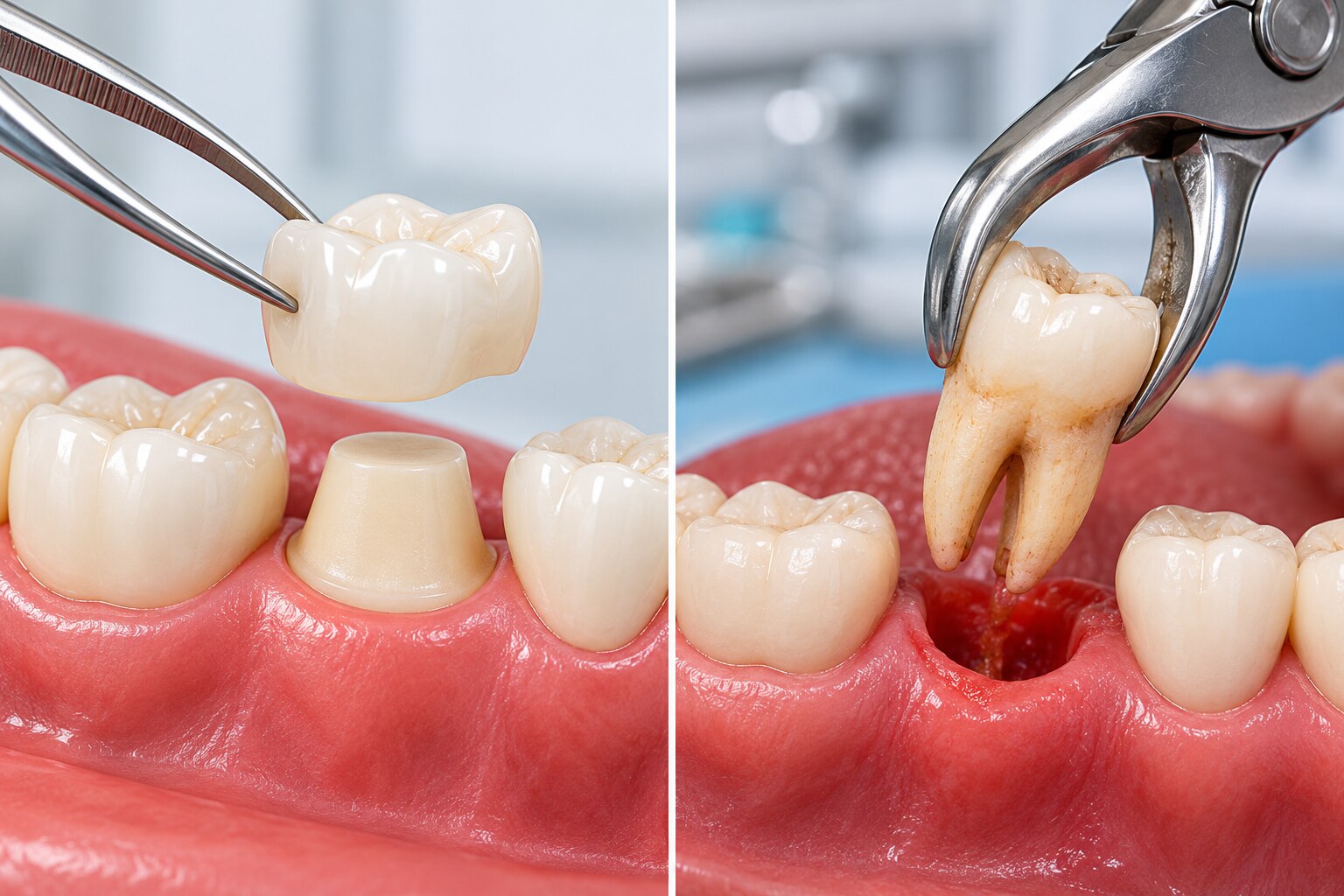
| Crown | Preserves the tooth after rebuilding it | Sound walls remain, the root is healthy or treatable, and the tooth can be isolated and sealed |
| Extraction | Removes the tooth and leaves a space | Vertical root fracture, decay into the root or below the gumline, unrestorable crown-root fracture, severe mobility, or unreliable rebuilding |
| Crown after root-canal treatment | Restores a tooth after infection control | The pulp is infected or irreversibly inflamed; a crown alone does not remove root-canal bacteria |
An incomplete crack can sometimes be stabilized with a crown, but a crack extending into the root is not predictably repaired this way. Extraction becomes more predictable when the tooth cannot be isolated, rebuilt, or supported.
Tooth extraction versus crown is not an equal either-or choice: extraction removes the tooth and creates a replacement decision. Losing a chewing molar can affect function and tooth position; losing a front tooth affects appearance and speech. A wisdom tooth often does not require replacement, unlike a functional front tooth or molar.
Which tests reveal whether a crown can succeed?
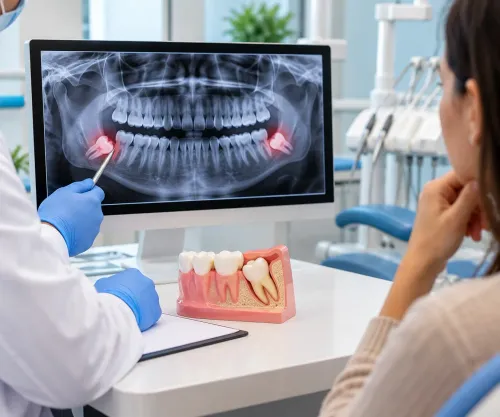
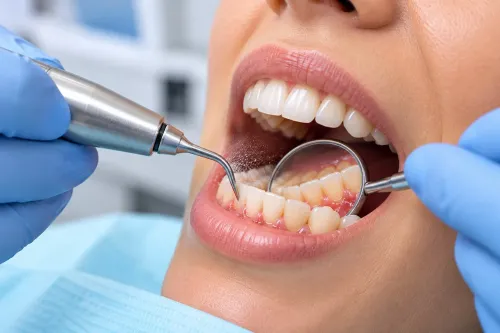
Tests reveal whether a crown can succeed: the examination must establish whether the tooth is restorable, not merely whether a dental crown or extraction in Pune is cheaper. The dentist inspects cracks, remaining tooth walls, existing restorations, gum levels, bite, mobility, and whether the tooth can be isolated from saliva for a sealed restoration.
Periodontal probing can expose a narrow, deep pocket beside a crack or severe attachment loss. Pulp vitality testing helps classify the nerve as healthy, inflamed, or non-responsive.
| Test | What it shows | Why it matters |
|---|---|---|
| Bitewing X-ray | Decay between teeth and supporting-bone height | Reveals hidden decay and bone support |
| Periapical X-ray | Roots, surrounding bone, and root-canal area | Assesses root disease and treatment prospects |
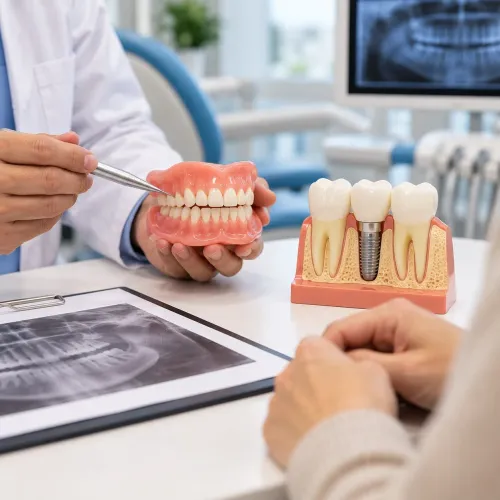
| Panoramic or 3D scan | Wider anatomy or a specific planning detail | Use only when that question needs answering |
Pain on biting, lingering cold sensitivity, a visible crack, or one isolated deep pocket deserves crack assessment before treatment. A crown cannot reliably repair a crack extending into the root.
The written diagnosis should state:
- Whether the tooth is restorable
- How much sound support remains
- Whether decay or a crack reaches below the gum
- Whether a filling, bonded restoration, onlay, or veneer could preserve more tooth than dental crowns in Pune
That detail prevents an irreversible crown from being chosen for a tooth that needs a different solution.
What happens during each treatment, and how long does it take?
A crown preserves a restorable tooth; extraction removes it and starts a separate replacement decision. A dentist for tooth cap in Pune may use “tooth cap” to mean crown, but a crown is not a post, root-canal treatment, or implant.
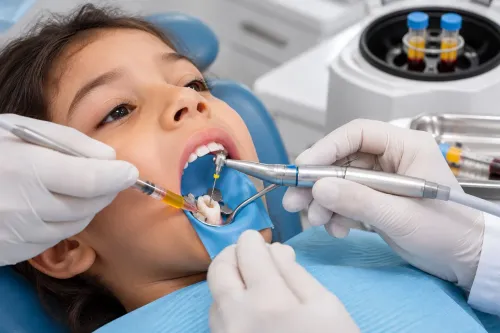
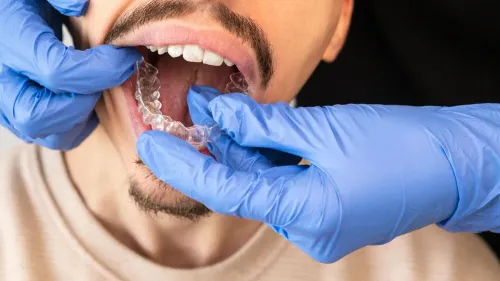
1. Crown pathway: The dentist reduces selected tooth surfaces, treats the root canal first when indicated, and places a post and core only when insufficient coronal structure would otherwise fail to retain the core. A post does not strengthen the root. A temporary crown protects the prepared tooth while a laboratory makes the definitive restoration.
2. Temporary-crown care: Avoid sticky foods, chew carefully, and report looseness or worsening pain promptly. At the fitting visit, the dentist checks the fit, contacts, bite, colour where relevant, and cementation.
3. Final restoration: A posterior root-canal-treated tooth commonly needs cuspal coverage because chewing forces and lost structure increase fracture risk. An anterior tooth does not automatically need a crown when enough sound structure remains.
4. Extraction pathway: Local anaesthesia is given, the tooth is removed, the socket is inspected, and a blood clot forms. Protect it by avoiding smoking, forceful rinsing, and strenuous activity during the initial healing period; follow instructions about eating and pain relief.
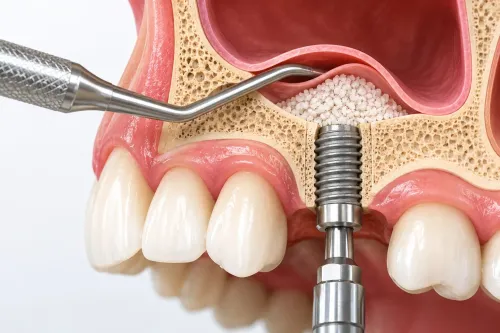
5. Healing and replacement: Soreness depends on the tooth and surgical difficulty. The gum closes before bone fully remodels, so implant placement can require weeks or months, socket preservation, or grafting. An immediate implant depends on intact socket walls, infection control, primary stability, bone, soft tissue, and healing risk.
What does extraction change if the tooth is not replaced?
If a non-wisdom tooth is extracted and not replaced, chewing efficiency and tooth position can change. Removing a functional molar makes chewing harder; removing a front tooth changes appearance and speech. A wisdom tooth usually does not create the same replacement requirement.
As the socket heals, neighbouring teeth can drift into the gap, the opposing tooth can move downward or upward, and your bite can shift. The socket also shrinks, reducing available bone and sometimes making a later implant more difficult.
Replacement choices include an implant-supported crown, a fixed bridge, or a removable partial denture. Immediate implant placement is not guaranteed: active infection, damaged socket walls, inadequate bone, poor soft-tissue conditions, or healing risks can require delayed placement or grafting.
Ask a Pune dental clinic to separate these costs in writing:
- Extraction and local anaesthesia
- Imaging and treatment planning
- Socket preservation or bone grafting
- Implant surgery, if selected
- The final implant-supported crown
- Bridgework or a removable partial denture
A low extraction quote can hide the later cost of restoring the missing tooth. When comparing a dental crown or extraction in Pune, ask what happens if you leave the space untreated.
A search for dentist dental crown or tooth extraction in Pune should lead to a plan covering the tooth, bite, bone, and replacement—not just the immediate procedure. Dr Aniruddha Wankhade can help coordinate that wider plan when periodontal support, extraction, restoration, and replacement need assessment together.
Related services
Dental Crowns (Teeth Caps): Restore Strength, Shape & Smile Dental crowns, also known as teeth caps, are custom-made restorations designed to protect and strengthen damaged, weakened, or heavily decayed teeth. View service → |
Wisdom Teeth Removal: Safe, Painless Tooth Extraction Care Wisdom Teeth Removal: Safe, Painless Tooth Extraction Care Wisdom teeth can cause pain, swelling, infection, crowding, and damage to nearby teeth if they do not erupt properly. View service → |
How should you compare the long-term value of saving versus removing?
A low quote does not settle tooth extraction versus crown. Compare the complete plan: preserving a tooth may involve root-canal treatment, post-and-core work, a temporary crown, and a definitive crown; extraction may lead to socket preservation and later replacement.
Take these questions to the consultation:
- Which sound tooth structure remains, and can it retain a sealed crown?
- Does the crack reach the root, or does decay extend below the gumline?
- How much bone and periodontal support remain?
- What happens if the crown fails?
- What are the separate estimates and appointment counts for diagnostic imaging, root-canal treatment, post-and-core work, the temporary crown, definitive crown, extraction, socket preservation, and replacement?
| Option | Long-term issue | Questions that change the value |
|---|---|---|
| Crown | Preserves the tooth but can develop margin decay, debonding, fracture, gum inflammation, or pulp problems | Is the seal predictable, and can you maintain it? |
| Extraction | Removes the tooth but creates healing and replacement costs | Is socket preservation needed, and will you need an implant, bridge, or denture? |
| Less invasive restoration | Preserves more natural structure | Could a filling, bonded restoration, onlay, or veneer solve discoloration or mild wear? |
A crown is irreversible because tooth structure is reduced. It is not justified solely by discoloration or mild wear. Dental crowns in Pune need brushing, interdental cleaning, examinations, and prompt review of sensitivity or looseness.
Their service life depends on fit, material, bite force, grinding, hygiene, decay risk, and remaining structure, so a blanket lifetime guarantee is not credible. Ask a dentist for tooth cap in Pune to recommend the option with predictable support, function, sealing, and a replacement plan.
Frequently asked questions
How does a dentist decide whether a tooth can receive a crown?
The dentist checks whether enough sound tooth structure remains above the gum, whether the root is healthy or treatable, and whether bone and periodontal support are adequate. X-rays, periodontal measurements, bite assessment, and an examination for cracks help determine whether restoration can succeed.
What tests reveal whether a dental crown can succeed?
The evaluation can include periapical X-rays, a periodontal probing chart, cold or electric pulp testing, bite testing, and direct inspection after removing decay or an old filling. These tests assess the root, nerve, supporting bone, gum attachment, cracks, and remaining tooth structure.
How long do a crown and an extraction take?
A crown usually involves tooth preparation, an impression or digital scan, a temporary crown, laboratory fabrication, and a separate fitting appointment. Extraction is completed in one procedure, but healing and replacement with an implant, bridge, or denture add further time.
What happens if an extracted tooth is not replaced?
The neighbouring teeth can drift into the gap, the opposing tooth can over-erupt, and chewing can become less balanced. Bone in the extraction site also shrinks over time, which can affect later implant planning.
How should you compare saving a tooth with extracting it?
Compare the tooth’s restorability, root and gum prognosis, number of appointments, healing period, future repairs, and the cost of replacing the tooth after extraction. A crown is not good value when the foundation cannot provide a durable seal.
Related service
Root Canal Treatment (RCT) is an effective procedure to save a severely decayed or infected tooth while relieving pain and preventing the need for extraction. View service → |
Keywords